

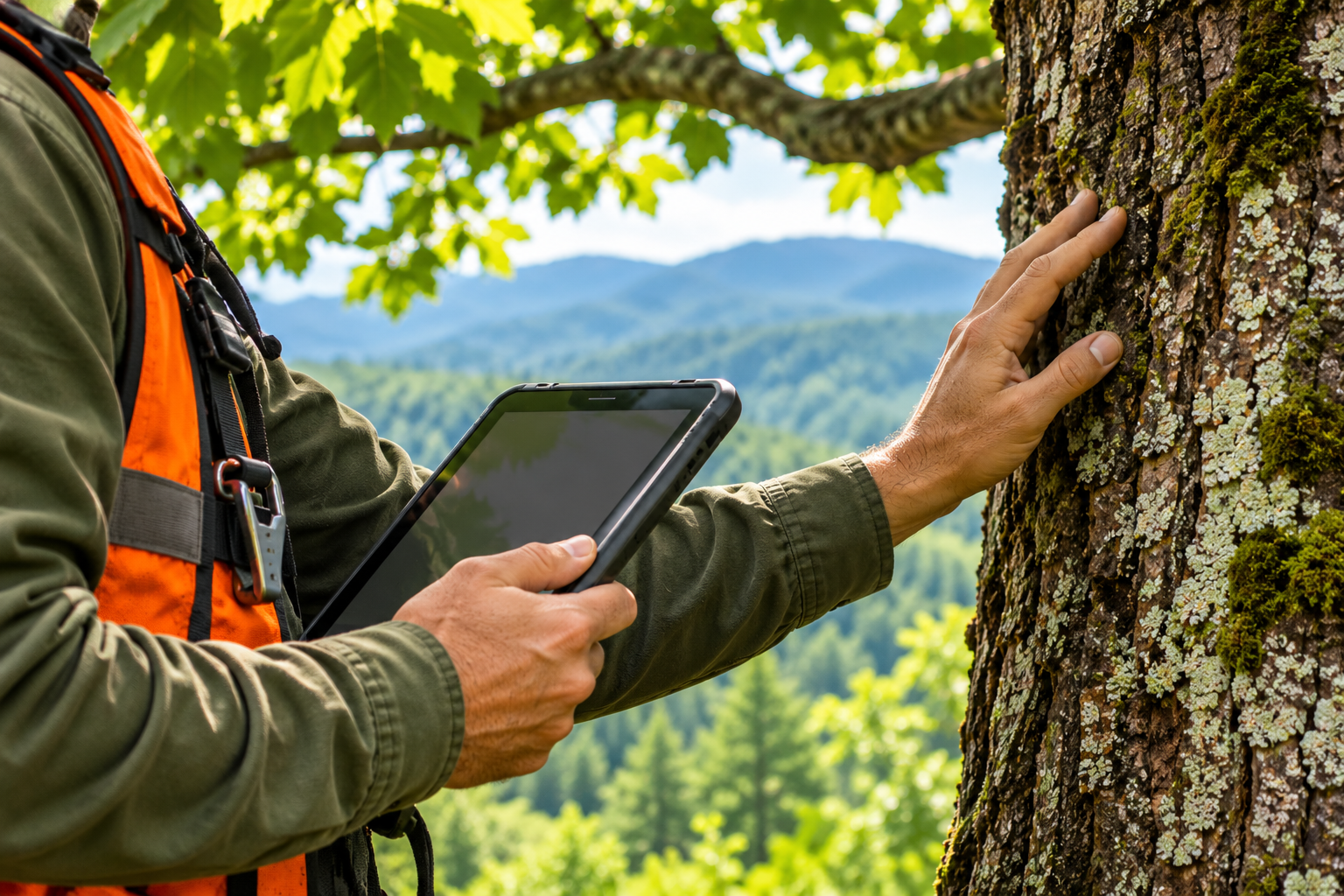
Trees are an important part of what makes properties in the North Georgia mountains so distinctive. Mature hardwoods, towering pines, and established woodland landscapes provide shade, support wildlife, protect soil, and contribute to the natural beauty of the region. However, even healthy-looking trees can develop structural weaknesses, disease, root problems, or other conditions that deserve attention.
A professional tree assessment can help you understand the condition of your trees, identify potential hazards, and make informed decisions about maintenance, preservation, or removal. Rather than waiting until a branch falls or a tree becomes an obvious safety concern, an assessment provides an opportunity to evaluate potential problems before they become more serious.
If you live in Blue Ridge, Ellijay, or Blairsville, understanding how your trees grow and respond to their environment is an important part of responsible property management. Our ISA-certified arborist can help.
What Is a Professional Tree Assessment?
A professional tree assessment is an evaluation of your tree’s overall health, structural condition, growing environment, and potential risks. It involves examining the tree itself and the surrounding landscape to identify visible signs of stress, disease, damage, or instability.
An assessment performed by a qualified arborist considers factors like:
- The tree’s species, age, and general condition.
- Trunk structure and visible defects.
- Branch attachment and canopy development.
- Root health and surrounding soil conditions.
- Signs of insects, disease, or environmental stress.
- Proximity to homes, driveways, utilities, and other structures.
- Potential hazards associated with dead or weakened limbs.
The purpose is not simply to determine whether a tree should be removed. In many situations, pruning, monitoring, or changes to the surrounding environment may address any concerns identified during an assessment. At Best Earth Solutions, our knowledgeable arborist considers the entire tree and your environment before recommending a course of action.

Evaluating Overall Tree Health
One of the first steps in a professional tree assessment is evaluating the tree’s overall health and condition. Arborists look for visible indicators that can help explain how well a tree is growing and whether it may be experiencing stress. These indicators include foliage condition, canopy density, branch development, bark appearance, and signs of abnormal growth. Some common warning signs include:
- Premature leaf discoloration or dropping
- Unusually sparse foliage or thinning branches
- Dead branches within the canopy
- Cracks, cavities, or damaged areas along the trunk
- Fungal growth near the trunk or root zone
- Unusual swelling, decay, or changes in bark texture
- Evidence of insect activity or disease
These symptoms do not automatically mean a tree is dying or needs to be removed. Identifying the underlying issue is important before deciding what kind of care is appropriate.
Inspecting the Trunk and Branch Structure
A tree’s structural condition is another important part of an assessment. Trees develop different branching patterns depending on their species, growing conditions, and history of pruning or damage. Over time, certain structural defects can increase the likelihood of branch failure or other problems. An arborist will typically examine:
- Trunk cracks: Vertical or horizontal trunk cracks can indicate structural stress or damage. Their location, depth, and characteristics help determine whether further evaluation is necessary.
- Weak branch attachments: Multiple stems growing closely together may develop included bark, which can create a weaker attachment than branches with well-formed unions.
- Dead or damaged limbs: Deadwood, broken branches, and hanging limbs can present hazards, particularly when located above areas where people or vehicles pass underneath.
- Cavities and decay: Open cavities, fungal growth, and other signs of deterioration may indicate internal decay. A visible cavity does not automatically establish that a tree is structurally unsafe. The extent and location of decay matter.
- Unbalanced canopies: Uneven growth, heavy lateral limbs, or previous storm damage can all affect how a tree carries its weight.
Understanding these structural characteristics helps an arborist determine whether pruning, additional monitoring, or removal may be appropriate.
Examining the Root System and Surrounding Soil
A tree’s health begins below the ground. Roots provide structural support while absorbing the water and nutrients necessary for growth. Because most of a tree’s root system is hidden, evaluating root health can require looking for indirect signs of damage or stress. During a professional tree assessment, our ISA-certified arborist may look for:
- Exposed, damaged, or decaying roots
- Soil disturbance around the base of the tree
- Changes in ground elevation or soil conditions
- Construction activity near the root zone
- Soil compaction from vehicles or heavy equipment
- Standing water or drainage problems
- Fungal growth or other signs of possible root-related disease
The area around a tree’s trunk is particularly important. The root flare, where the trunk transitions into the root system, should be visible on many tree species. Excessive soil, mulch, or other materials piled against the trunk can create unfavorable conditions.
Property improvements can also affect root systems. Excavation, driveway construction, grading, and utility installation may damage roots even when the visible portion of a tree appears unaffected. This is especially relevant on mountain properties throughout Blue Ridge and North Georgia, where steep terrain, changing soil conditions, and property development can create challenges for established trees.
Identifying Potential Tree Hazards
A professional tree assessment also considers how a tree’s condition may affect people, buildings, vehicles, and other nearby property. A tree doesn’t have to be dead to present a potential hazard. Living trees can develop structural weaknesses, damage, root problems, or other conditions that warrant attention. An arborist evaluates both the condition of the tree and its surroundings.
Important considerations include whether:
- dead or weakened branches extend over structures or frequently occupied areas.
- the trunk shows signs of cracking or significant deterioration.
- roots appear damaged or compromised.
- the tree has experienced recent storm damage.
- nearby construction or changes in soil conditions may have affected stability.
- the tree’s location creates additional exposure to people or property.
Risk is not determined by the presence of a defect alone. The likelihood of failure, the potential consequences, and the surrounding site conditions all matter. A certified arborist can help property owners understand these factors and prioritize concerns based on the conditions observed.
Considering the Tree’s Environment
Trees do not grow independently of their surroundings. Their health and development are closely connected to soil, water, sunlight, neighboring vegetation, and the overall landscape. This is particularly important in the Southern Appalachian region, where elevation, slope, drainage, and localized growing conditions can vary significantly from one property to another.
During an assessment, an arborist may consider:
- Sunlight and competition: Nearby trees and vegetation influence how much light reaches a tree’s canopy and how it competes for available resources.
- Drainage and moisture: Excessive moisture, poor drainage, or prolonged dry conditions can affect root health and overall growth.
- Soil conditions: Soil composition, compaction, disturbance, and available growing space influence how well roots develop.
- Nearby structures: Buildings, retaining walls, driveways, and utility lines can limit available growing space or create conflicts as trees mature.
- Surrounding vegetation: Other trees, invasive plants, and changes in the understory can influence the health and development of the landscape.
Considering these conditions helps an arborist understand why a tree may be struggling and whether improvements to its growing environment could help.
Developing Recommendations for Tree Care
After evaluating the tree and its surroundings, our arborist will provide recommendations based on the conditions identified. The appropriate response depends on the species, structural characteristics, overall health, location, and intended use of the property. Recommendations may include:
- Pruning: Tree pruning involves removing selected branches can improve tree structure, address deadwood, provide clearance, and support appropriate growth.
- Monitoring: Some conditions may not require immediate work but should be observed over time to identify changes.
- Environmental improvements: Addressing soil compaction, drainage concerns, or other site conditions may help improve the growing environment.
- Further evaluation: Certain structural defects or suspected internal problems may warrant additional diagnostic work or a more detailed assessment.
- Tree removal: When a tree has significant structural problems, extensive decline, or other conditions that make retention unsuitable, tree removal may be the appropriate recommendation.
An important part of responsible arboriculture is recognizing that removal is not always the first or only solution. Preserving healthy trees whenever practical can benefit the property, surrounding ecosystem, and long-term landscape. At the same time, preservation should not come at the expense of safety. Our recommendations will reflect the actual condition of the tree and the risks associated with its location.
When Should You Schedule a Professional Tree Assessment?
Property owners do not need to wait until a tree shows obvious signs of decline before seeking an evaluation. A professional assessment may be worthwhile when:
- You notice dead branches, cracks, cavities, or unusual changes in a tree.
- A tree has recently experienced storm damage.
- You are planning construction, grading, or driveway improvements.
- Trees are growing close to your home or other structures.
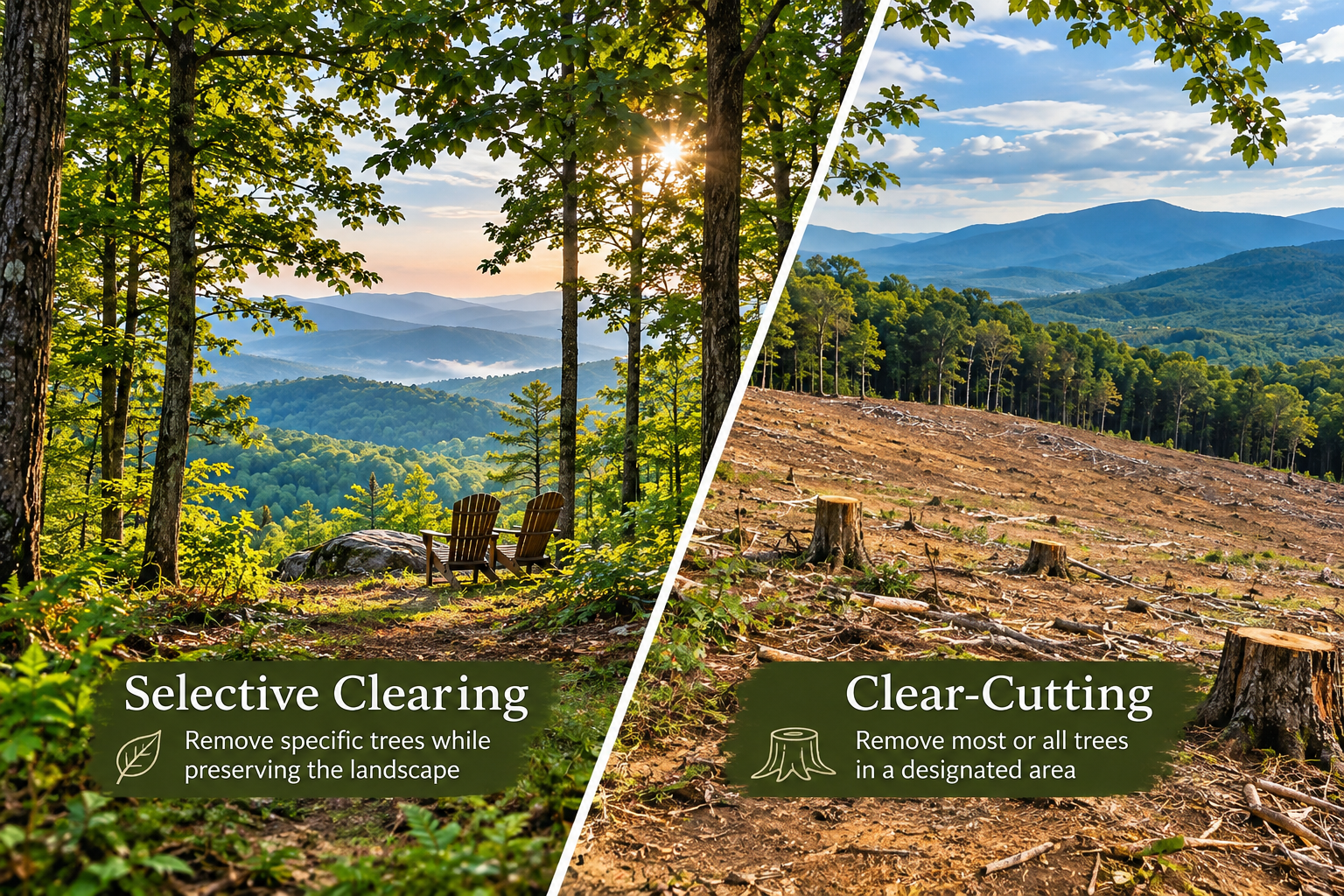
- You are considering selective clearing or opening mountain views.
- You have mature trees that have not been evaluated in several years.
Regular attention can help you recognize developing problems and make informed decisions about long-term tree care. For properties with extensive wooded areas, an assessment can also help establish priorities. Not every tree requires the same level of attention, and understanding which trees need maintenance, monitoring, or further evaluation can make property management more effective.
Why Work With an ISA Certified Arborist?
Tree care involves more than cutting branches or removing trees. Understanding tree biology, structural development, species characteristics, and environmental conditions requires specialized knowledge. An ISA Certified Arborist has demonstrated professional knowledge through the International Society of Arboriculture’s certification program and must meet ongoing credential requirements.
At Best Earth Solutions, our approach to tree care is grounded in the understanding that every property is part of a larger natural system. Led by Ian Best, an ISA Certified Arborist, we consider the condition of individual trees as well as their relationship to the surrounding landscape.
Whether evaluating a mature hardwood near your home, identifying concerns along a wooded driveway, or helping you understand which trees should be preserved, thoughtful assessment is an important first step. At Best Earth Solutions, we serve Blue Ridge, Ellijay, Blairsville, and surrounding communities throughout North Georgia and the Western North Carolina region.
Start With a Better Understanding of Your Trees
Healthy trees contribute to the character, ecological value, and long-term enjoyment of your property. Understanding their condition is an important part of protecting that investment. A professional tree assessment provides more than a list of potential problems. It helps you understand how your trees are growing, what conditions may affect their health, and which maintenance decisions make sense for your landscape.
For homeowners in Blue Ridge, Ellijay, Blairsville, and surrounding North Georgia and Western North Carolina communities, Best Earth Solutions provides knowledgeable tree care guided by an ISA Certified Arborist. Have questions about the trees on your property? Contact Best Earth Solutions to discuss a professional tree assessment and learn more about responsible tree care.

Leave a Reply